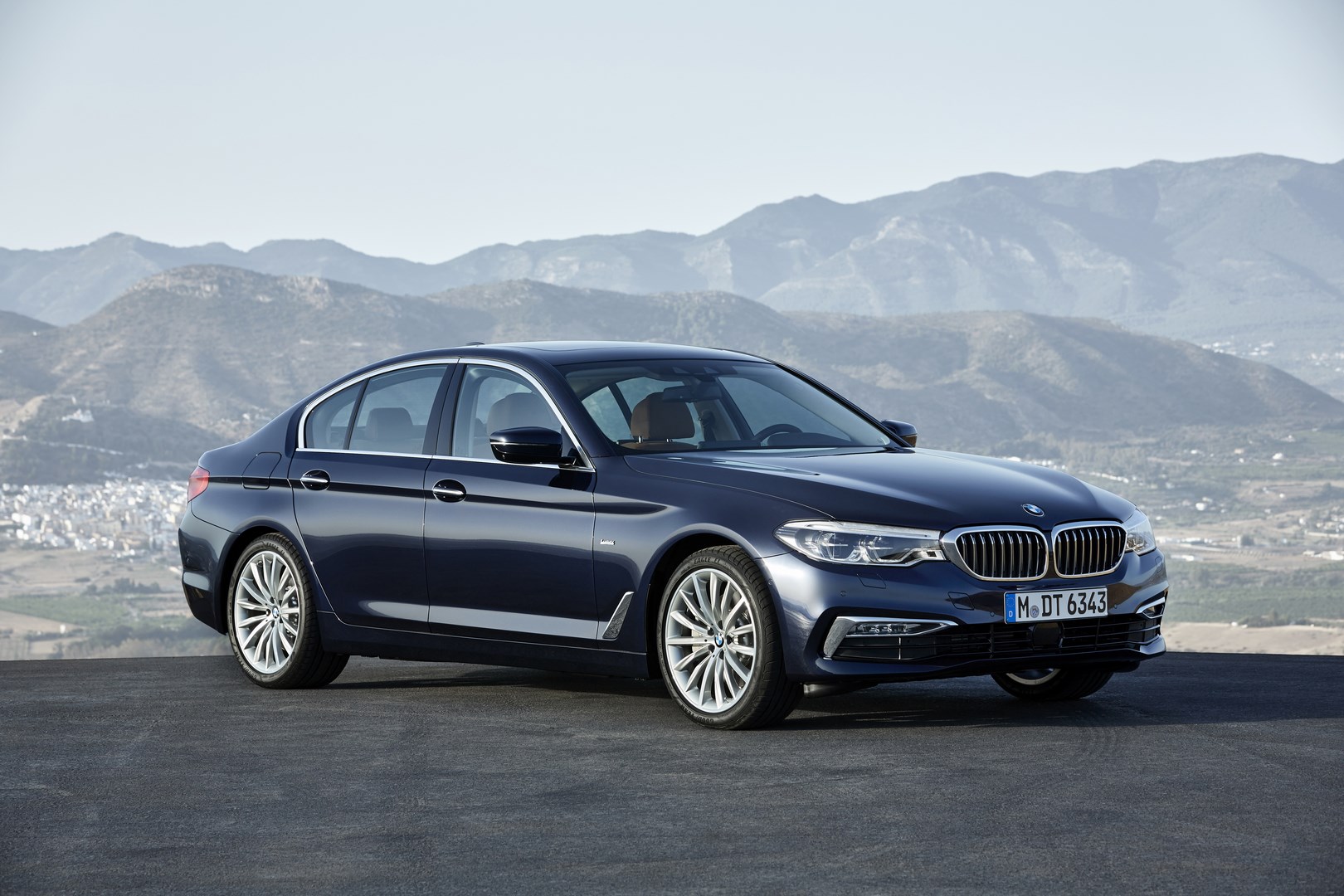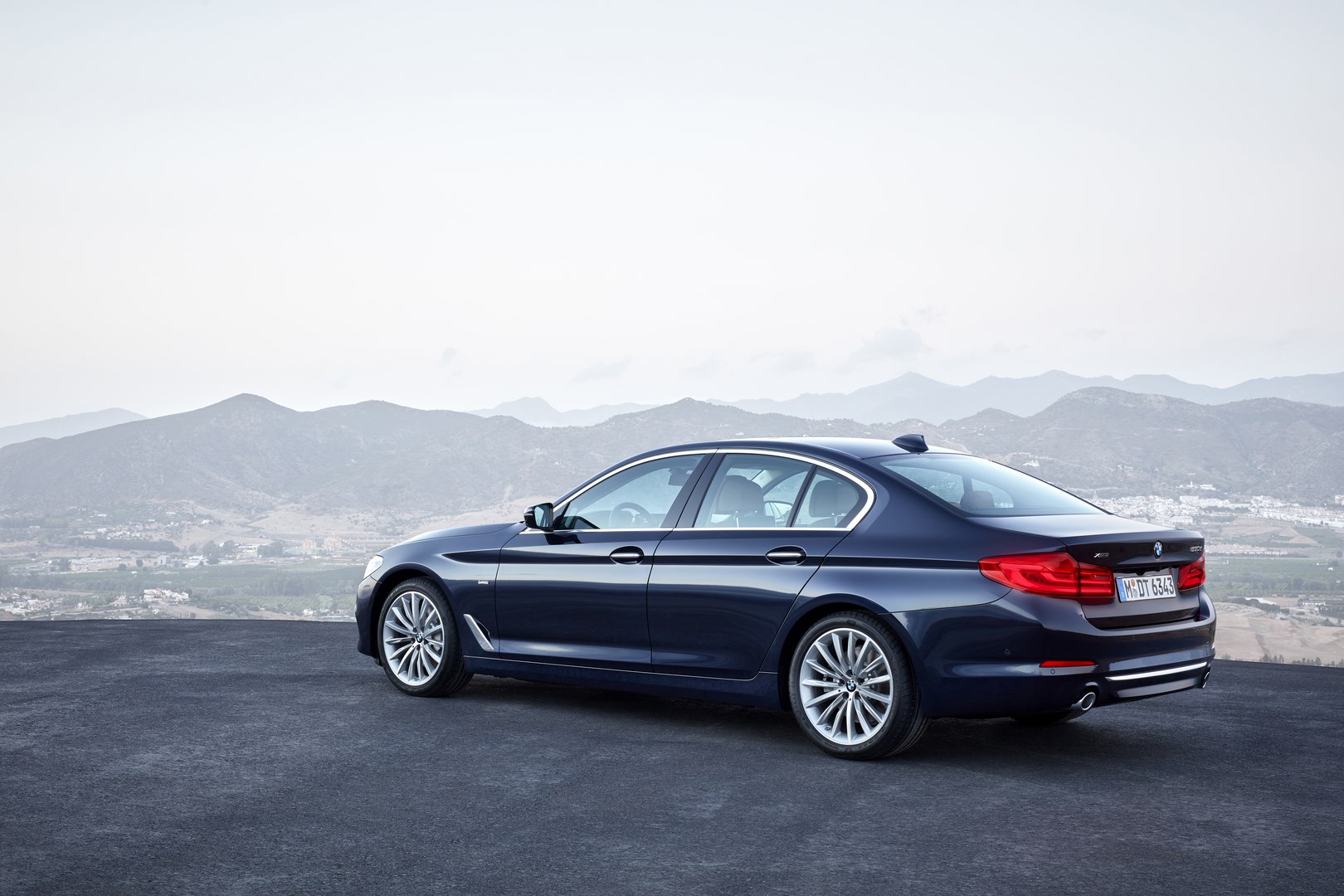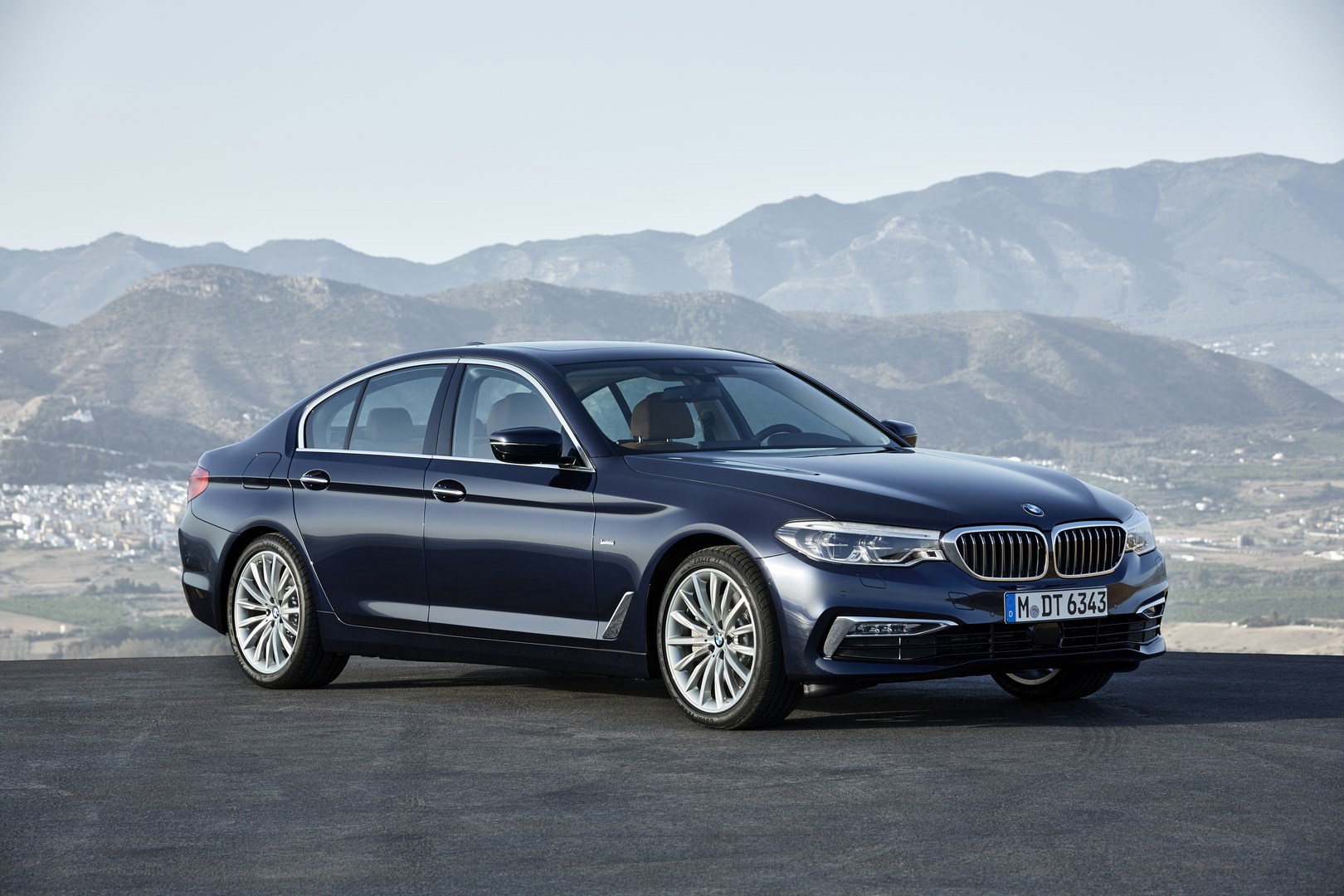
BMW presented the new 5-Series that sets new standards in technology, comfort and speed combined with environmental consciousness. The new 5-Series is based on the also new CLAR platform of BMW that provides “excellent rigidity” and measures 4,936 mm in length, 1,868 mm in width and 1,479 mm in height.
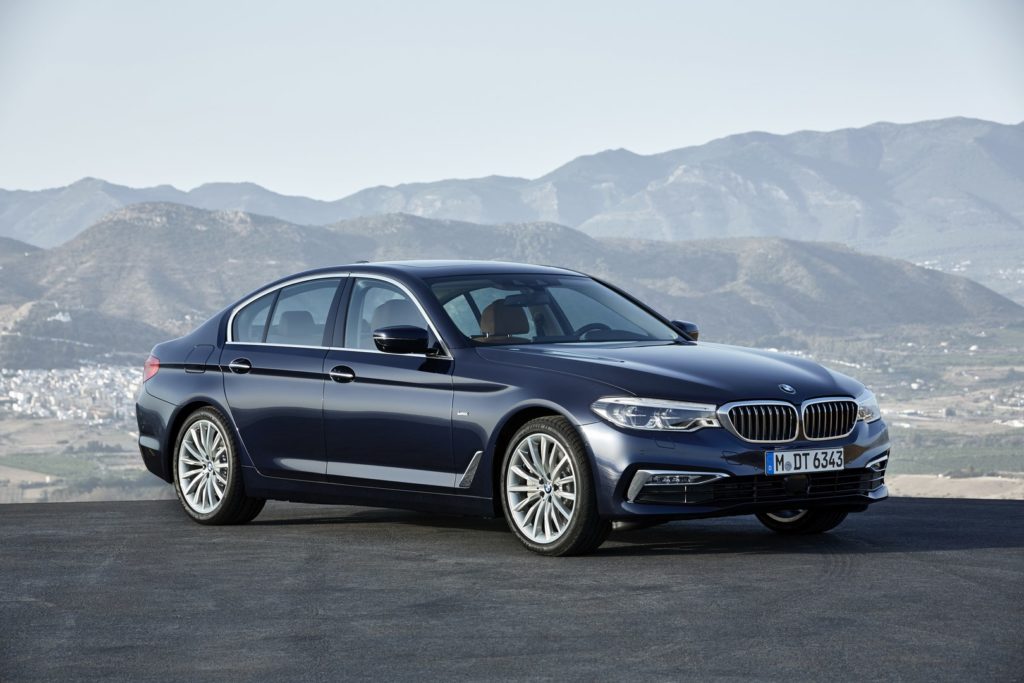
The car is bigger than the model it replaces, but even so, thanks to the extensive use of lightweight materials, it manages to be up to 100 kilos lighter than its predesecor. It has a double wishbone suspension at the front and its aerodynamic drag coefficient is, in the most aerodynamic version 0.22 cd. Its brake system features four-piston calipers at the front and single piston at the rear, while the discs are naturally ventilated.
The car has a different front part, with new lights, a grille which has active flaps that are able to close to improve aerodynamics or to open to help air circulation. Otherwise, the new 5-Series seems to borrow many design elements from the BMW 7-Series.
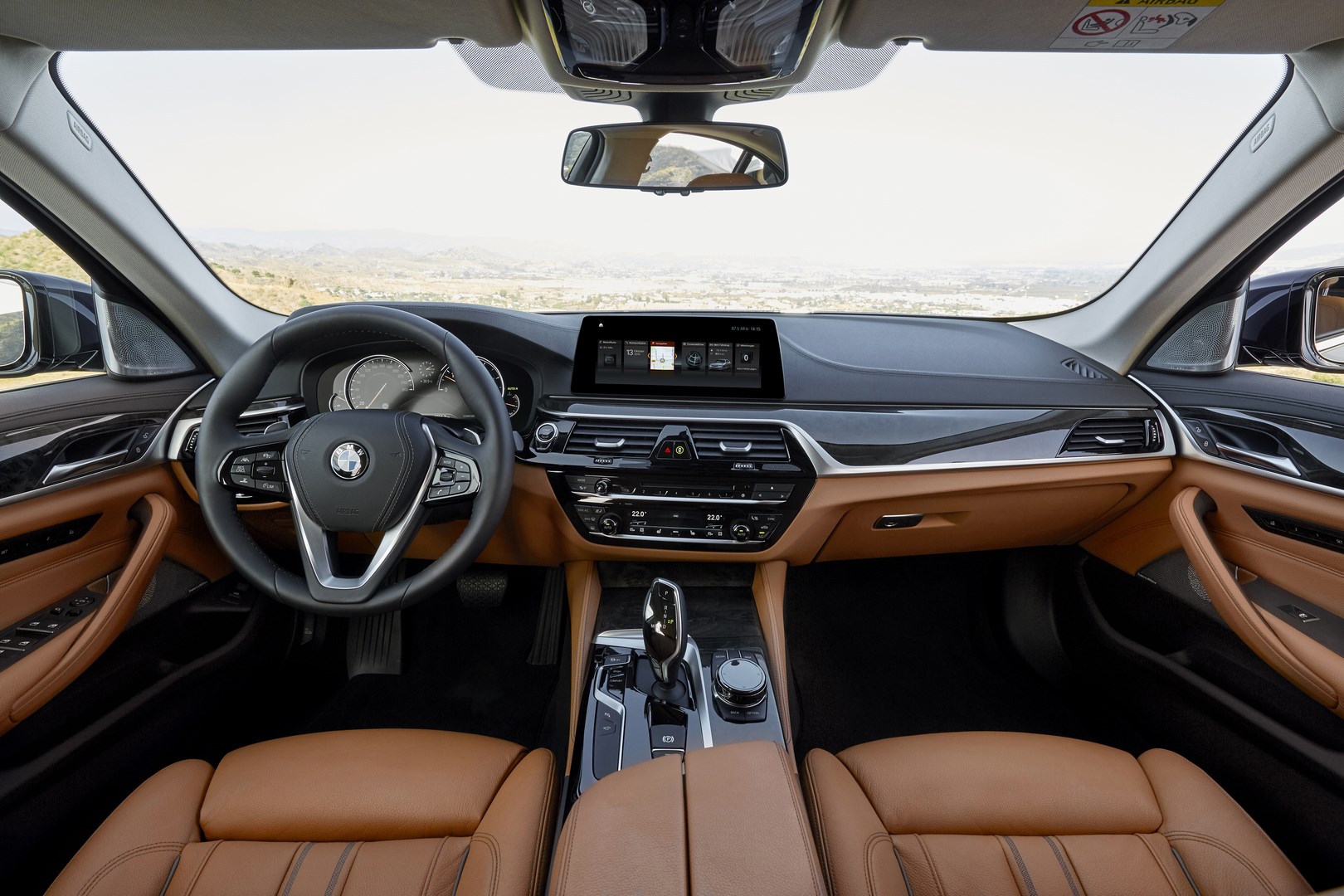
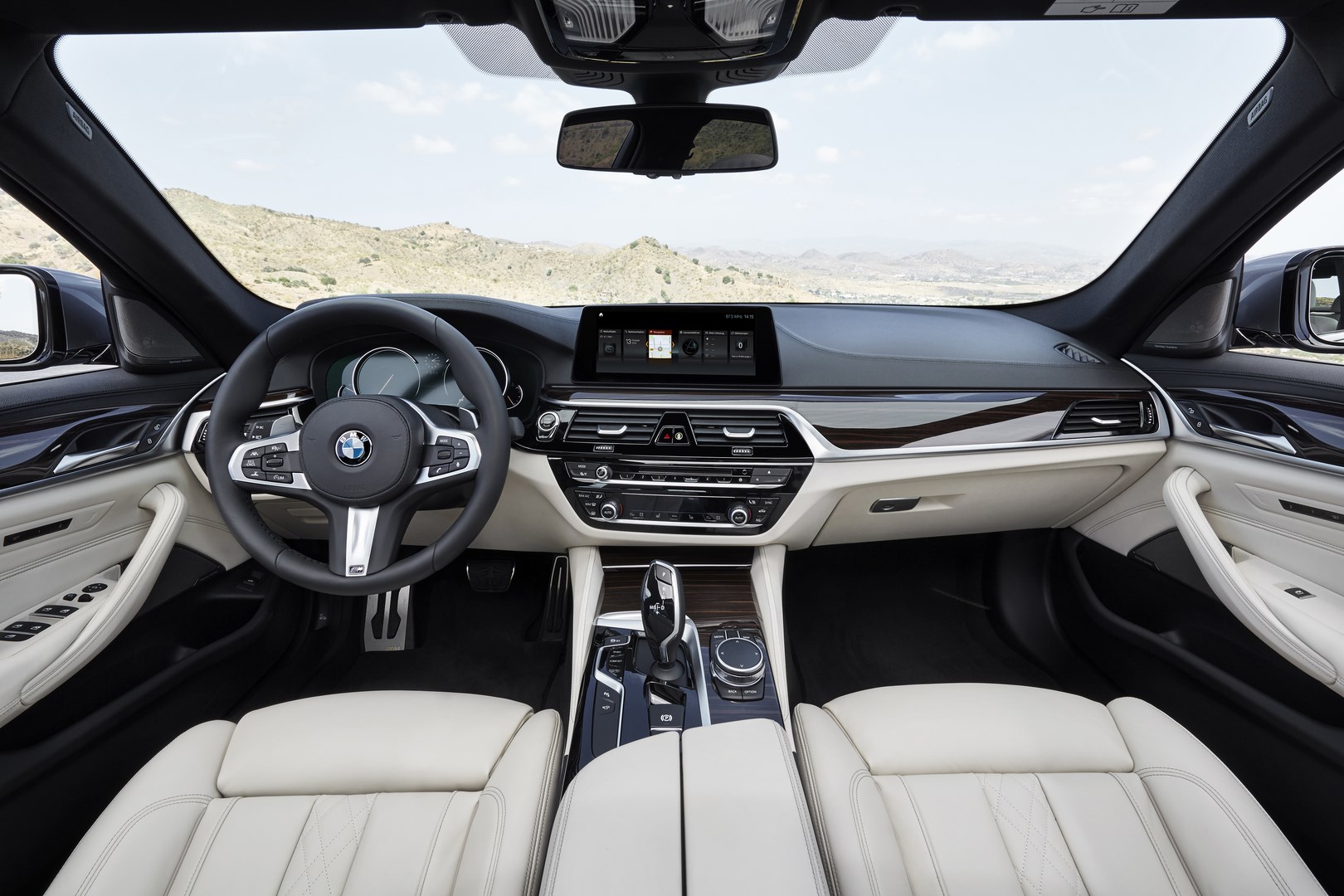
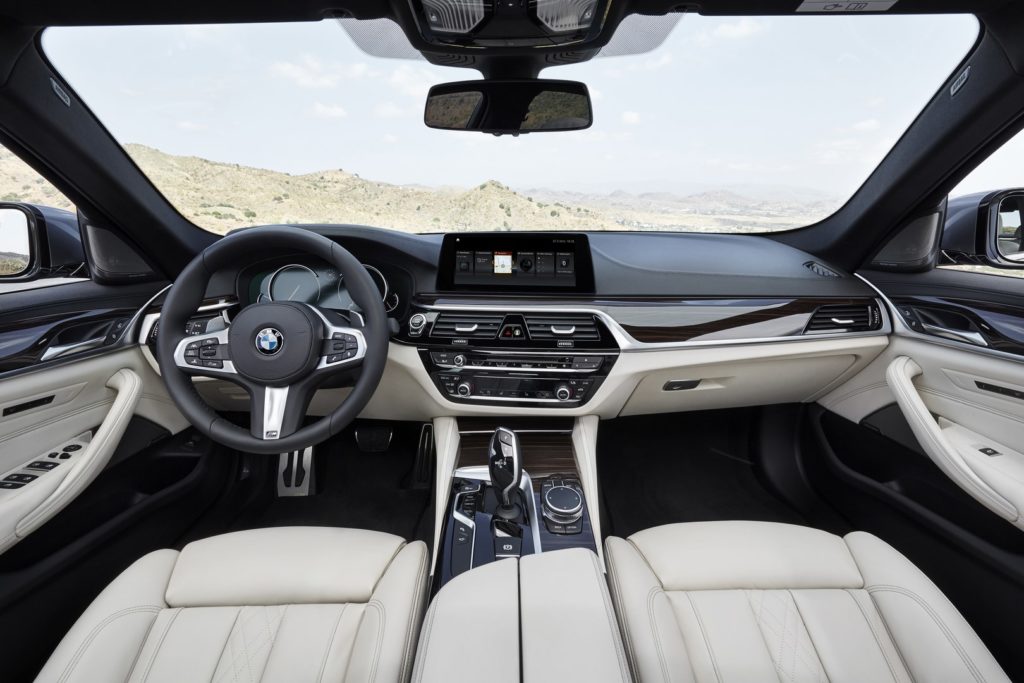 Its interior features the latest version of the iDrive infotainment system that makes use of a large 10.25 inch touch screen and it can be controlled by voice, gestures or conventionally, by touching the screen. Also, the German company has placed the latest version of their Head-Up Display in the car. This version has a 70% larger viewing area and provides information on the on the road signs, radio stations, instructions for the navigation and several warnings from the assistance systems.
The new 5-Series, is taking a further step towards autonomous driving. BMW offers the Active Cruise Control and Lane Assist Steering, that control the car from zero and up to 210 km/h and allow it to accelerate, decelerate or change its direction.
Finally, the new BMW 5-Series will be available at launch with four different engines. Under the hood of the 530i there will be a new, 2-liter, four-cylinder, turbocharged petrol engine that delivers 252 hp and 350 Nm of torque while consuming an average of just 5.4 liters per 100 km. Thanks to this engine, the 530i will be able to accelerate to 100km/h from a standstill in 6.2 seconds while its top speed will be 250 km/h.
On the other hand, the 540i, will be driven by a 3-liter, six-cylinder in-line engine that delivers 340 hp and 450 Nm of torque, with its average consumption being 6.5 liters per 100 kilometers. The car will be able to do the 0-100 km/h in 4.8 seconds.
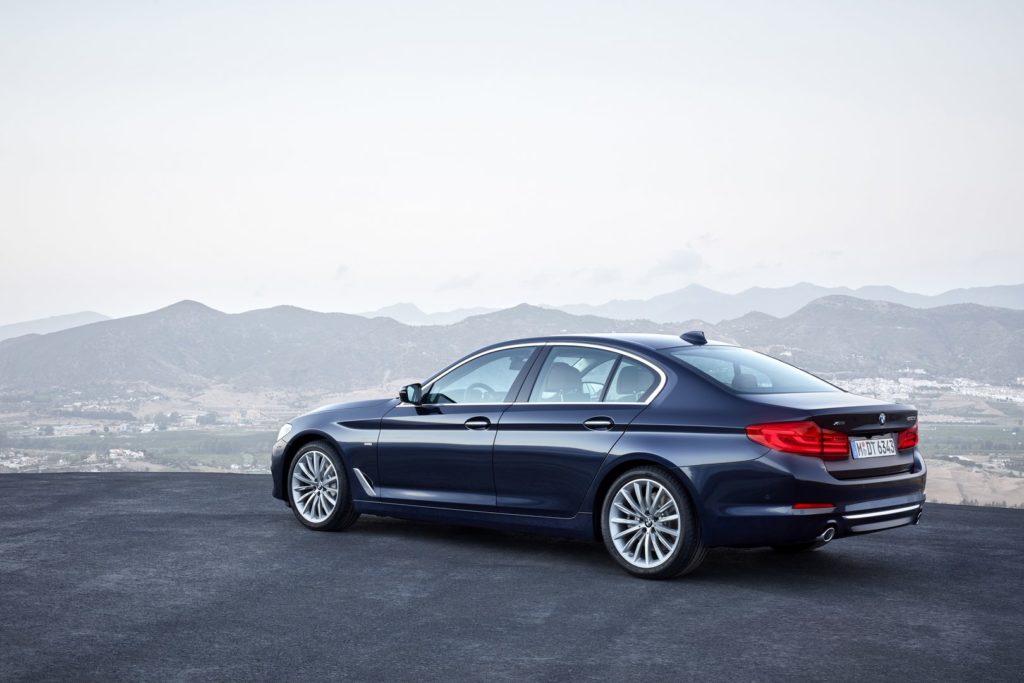 As for the diesel versions the 520d will feature a 2-liter, four-cylinder engine producing 190 hp and 400 Nm of torque, while the 530d will have a 3-liter, six-cylinder in-line engine with 265 hp and 620 Nm of torque. The 520d will consume on average 4.1 liters per 100 kilometers, emitting 108 gr CO2 per kilometer while the 530d will consume 4.5 liters of fuel per 100 kilometers with emissions of CO2 at about 118 gr/km.
Later the company will launch the 520d EddicientDynamics Edition, which will be equipped with a 2-liter diesel engine, combined with an 8-speed automatic transmission that will help it will consume just 3.9 liters of fuel per 100 km.
In March of 2017 the company will launch the plug-in hybrid 530e iPerformance that will be combining a four-cylinder gasoline engine and the eDrive drive, that will yield 252 hp while emitting just 46 gr of CO2 per kilometer, consuming only 2 liters per 100 km. At the same time, we will see the M550i xDrive that will be equipped with a V8 that will deliver 462 hp with 650 Nm of torque, being able to reach 100 km/h from a standstill in 4.0 seconds, while its average fuel consumption will be 8.9 liters per 100 km.